Newfoundland region
Western Newfoundland
Gros Morne, the Tablelands, and a fjord cut through a billion years of rock
Deer Lake Regional (YDF)
4 to 6 nights
Parks Canada entry fee applies in Gros Morne
Boat tours and summit hikes cancel in wind and low cloud
About 8 to 9 hours from St. John’s to Rocky Harbour
What this region is really like
This is where Newfoundland stops being scenic and turns geological. Gros Morne National Park is a UNESCO World Heritage Site because the rock here helped prove plate tectonics, and you can walk on exposed mantle in an afternoon.
The Tablelands look wrong at first, an orange-brown desert wedged between green hills. That colour comes from peridotite, rock from the Earth’s mantle pushed to the surface roughly 500 million years ago. The soil is toxic to most plants, which is why the landscape stays bare.
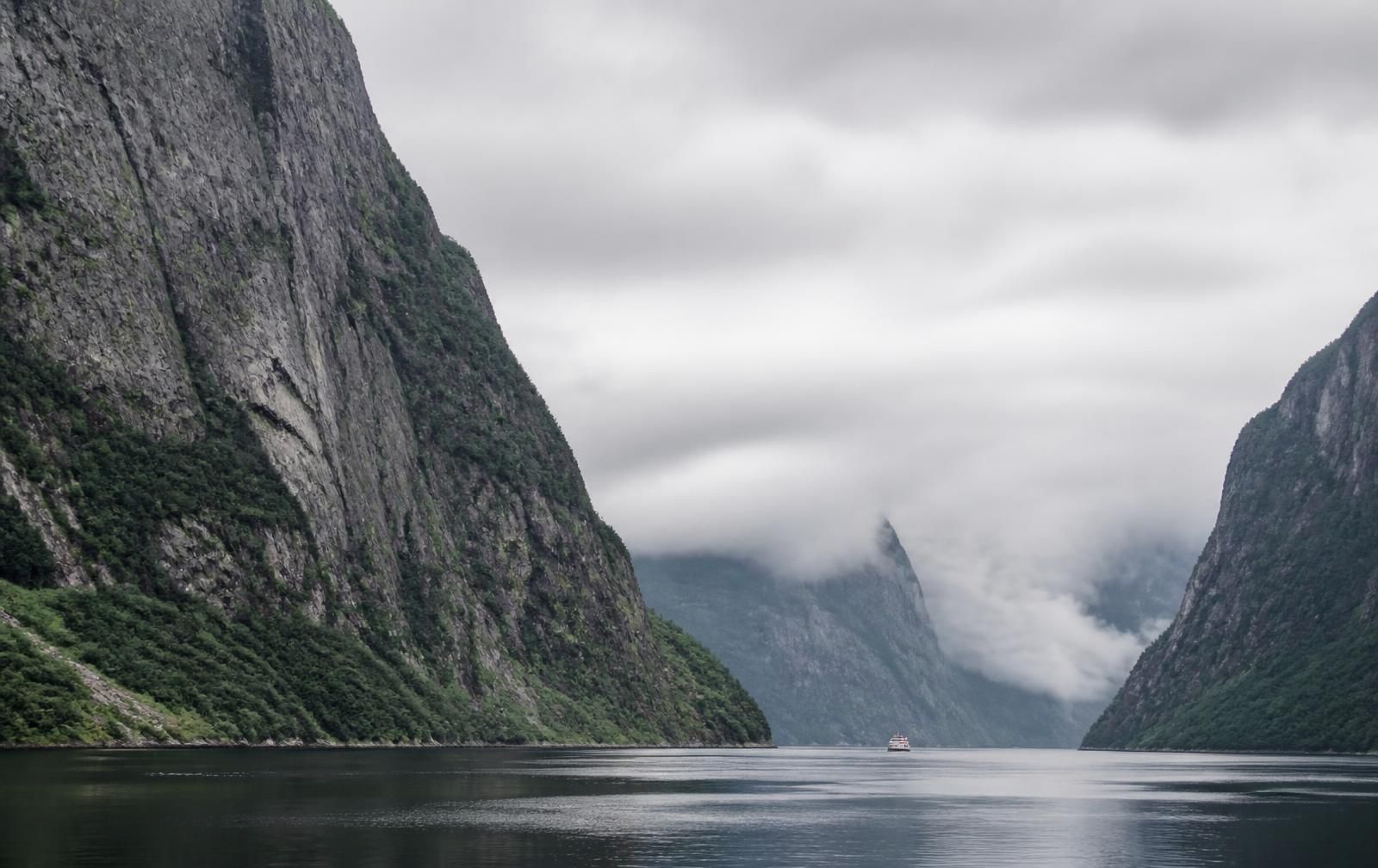
Western Brook Pond is a landlocked fjord reached by a 3 km walk across bog and barrens, then a boat tour between cliffs rising more than 600 metres. Tours book out in July and August, and they are cancelled in high wind, so leave slack in your plan.
Corner Brook, the largest city on the west coast, gives you a supermarket, a hospital, and a base for the Bay of Islands and Marble Mountain. The Humber Valley road north toward the park is one of the most enjoyable drives on the island.
Other regions
Avalon Peninsula
Cities, sea stacks, and the most easterly light in North America
Eastern Newfoundland
Bonavista, Trinity, and coastlines cut into long fingers of rock
Central Newfoundland
Twillingate, Fogo Island, and the ice that drifts down the Labrador Current
Great Northern Peninsula
A long road north to the only confirmed Norse site in North America
