Newfoundland region
Avalon Peninsula
Cities, sea stacks, and the most easterly light in North America
St. John’s International (YYT)
3 to 5 nights
Widely available; thinner on the Cape Shore
Fog is common in June and July, especially near the coast
St. John’s is the hub; most day trips run 30 minutes to 2.5 hours
What this region is really like
The Avalon carries the island’s biggest city and some of its emptiest headlands within the same afternoon. You can eat a proper dinner on Water Street, then stand at Cape Spear an hour later with nothing between you and Ireland.
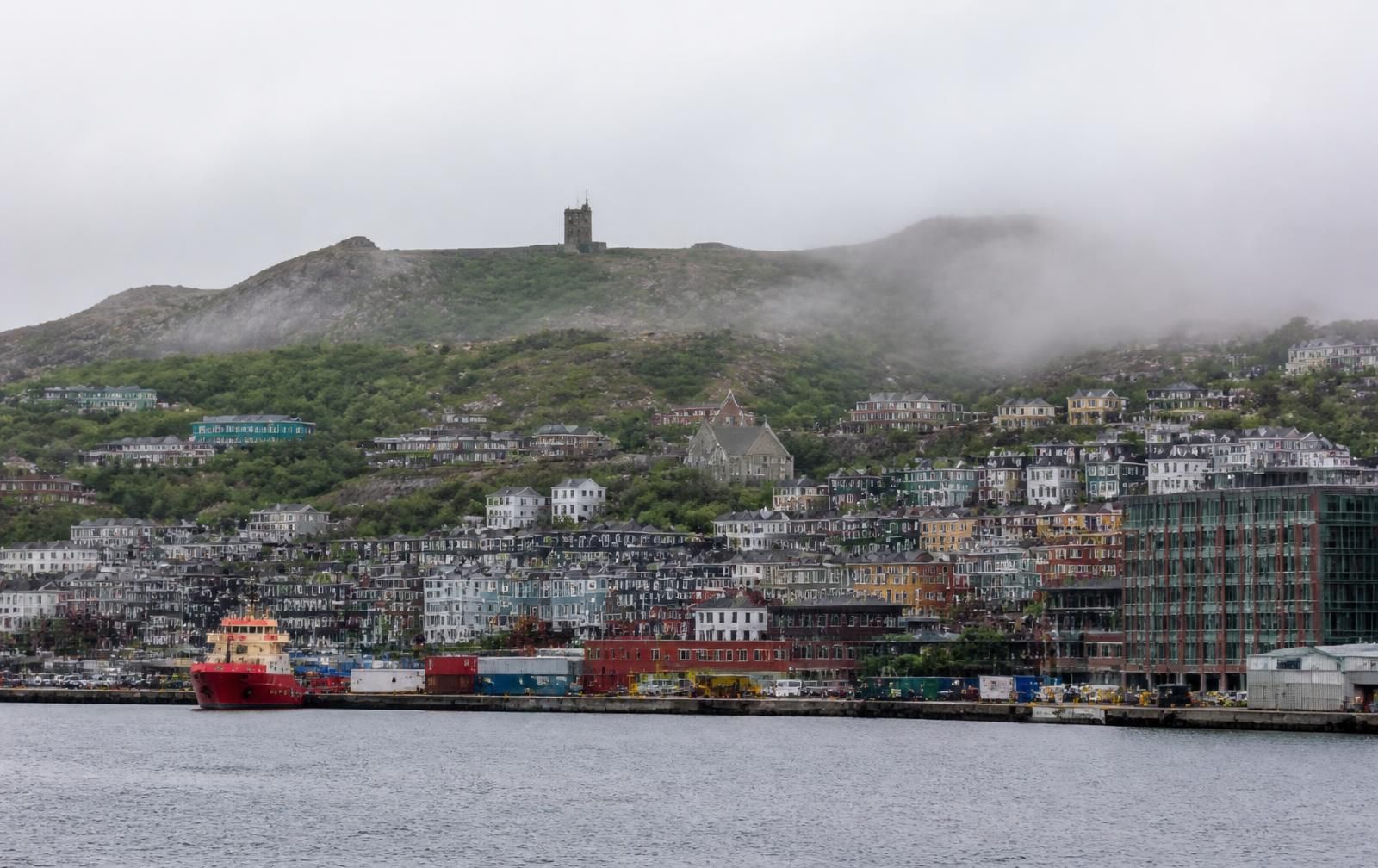
St. John’s is a working port city with a contemporary arts scene, a serious restaurant culture, and rows of painted wooden houses climbing away from the harbour. Signal Hill anchors the skyline, and the walk down the North Head Trail toward the Battery gives the clearest sense of how the city sits inside its rock.
South of the city, the Irish Loop threads through Witless Bay, Ferryland, and the barrens of the southern shore. Boat tours from Bay Bulls run out toward the Witless Bay Ecological Reserve, home to one of the largest Atlantic puffin colonies in North America. Operators work under provincial guidelines that keep vessels at a respectful distance.
The Baccalieu Trail and Cape Shore hold quieter ground. Cape St. Mary’s Ecological Reserve puts a northern gannet colony within about fifteen metres of a clifftop viewing area, and the sound of it reaches you before the birds come into view.
Other regions
Eastern Newfoundland
Bonavista, Trinity, and coastlines cut into long fingers of rock
Central Newfoundland
Twillingate, Fogo Island, and the ice that drifts down the Labrador Current
Western Newfoundland
Gros Morne, the Tablelands, and a fjord cut through a billion years of rock
Great Northern Peninsula
A long road north to the only confirmed Norse site in North America
